Smart Card-Based Food Payment Systems Explained
June 5, 2026 in Blog
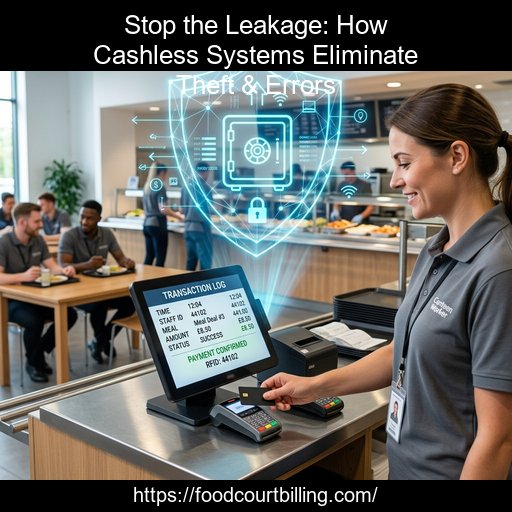
Prepaid smart cards are the primary choice for modern, high-volume dining spaces like food courts, school canteens, and factory cafeterias. While the user-facing transaction is a simple tap-and-go payment, a complex array of hardware, local network protocols, and database servers handles the operations behind the scenes.
For organizations considering a cashless transition, understanding how smart card technology operates helps in selecting the right system. Many assume the card functions similarly to a credit card or requires a constant internet connection to validate transactions. In reality, modern canteen smart card systems utilize local network architectures and offline-first databases designed for maximum speed, security, and operational reliability. Let's look at the underlying technology of smart card payments.
How Data Transmits: Radio Frequency Identification (RFID)
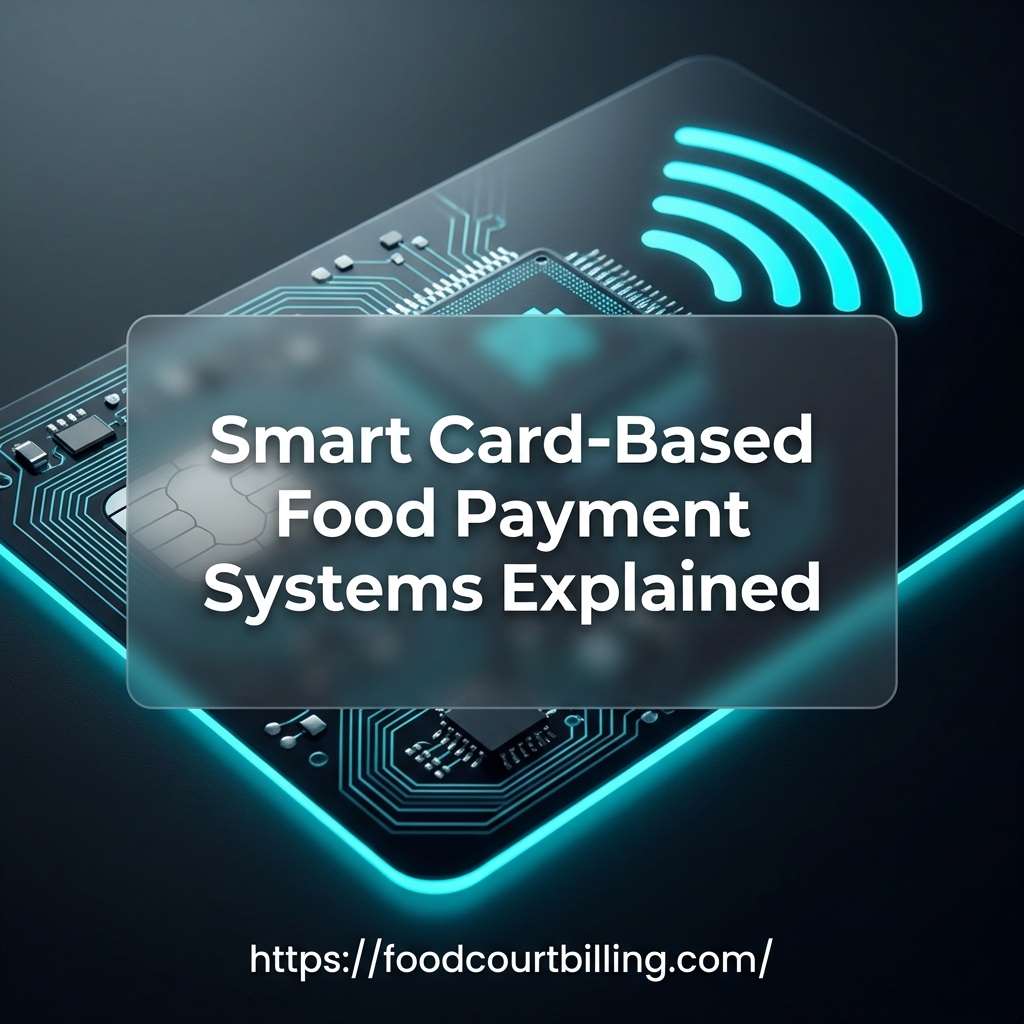
The core technology used is contactless RFID. The smart card contains an embedded microchip and a circular copper antenna. The card reader at the POS terminal continuously emits a low-frequency radio electromagnetic field.
When a user brings the card within 2 to 5 centimeters of the reader, the card’s antenna captures the magnetic field. This field generates enough electricity (via electromagnetic induction) to power the card’s microchip. The microchip then transmits a unique, encrypted identification number back to the reader wirelessly. This entire process takes less than a second.
Where is the Balance Stored? (Card vs. Server-Side)
A common question is whether the money is physically written onto the card’s chip.
- On-Card Storage: Writeable smart cards write the balance directly to the chip. This is vulnerable to tampering, card hacking, and cloning.
- Server-Side Storage (Recommended): The card only stores a unique, encrypted chip ID number. The actual account details, loaded balance, transaction logs, and user profile are housed in a secure local database server. When the card is tapped, the software searches for the ID in the database and updates the balance server-side. This keeps data secure and makes card replacement easy if a card is lost.
Offline Local Server Architecture
Standard card systems (like credit cards) connect to external banks over the internet, taking 5 to 15 seconds to validate. An industrial smart card system uses a local server database deployed within the canteen building network. Because the POS registers communicate directly with this local server over LAN or Wi-Fi, payments are processed in under a second with 100% reliability, keeping canteens operational even during complete internet outages.
Cryptographic Card Security
To prevent fraud, smart cards use cryptographic keys. During card programming, the chip is assigned a unique encryption key. The reader must present matching cryptographic authentication before the card will release its ID number. This blocks unauthorized scanners from reading the card or copying employee badges.
Deploy Secure Cashless Technology
Advance Technology Systems (ATS) provides secure, encrypted RFID smart card payment solutions running on offline local servers for complete reliability.
Conclusion
Smart card-based food payment systems combine wireless RFID transmission, offline local network databases, and cryptographic encryption keys. This combination ensures high transaction speed, complete operational reliability, and absolute security for canteens and food courts.
FAQs: Smart Card Systems
- Q1: How does a smart card store account balances?
- A: For security purposes, balances are stored in a secure local database server. The smart card only carries a unique encrypted identifier, protecting the user from card balance tampering.
- Q2: What type of cards are used in food courts?
- A: Food courts typically use contactless RFID smart cards, which contain microchips and antennas that transmit data when tapped on reader terminals.
- Q3: How is user data kept secure?
- A: The communication between the reader and local server database uses encrypted protocols. Data is housed locally inside the establishment network, preventing external hacking attempts.
- Q4: Can smart card systems run without internet?
- A: Yes. A central local server manages the card transaction loops offline. This guarantees 100% database availability and prevents service interruptions during internet outages.
Cashless Card Payment System for Food Court and Canteen
Upgrade your establishment with our Prepaid Card Software and take your business to the next level.
You Might Also Like
Explore other popular articles from our blog to learn more about modern cashless systems.